Understanding Zero-Click Search Behavior
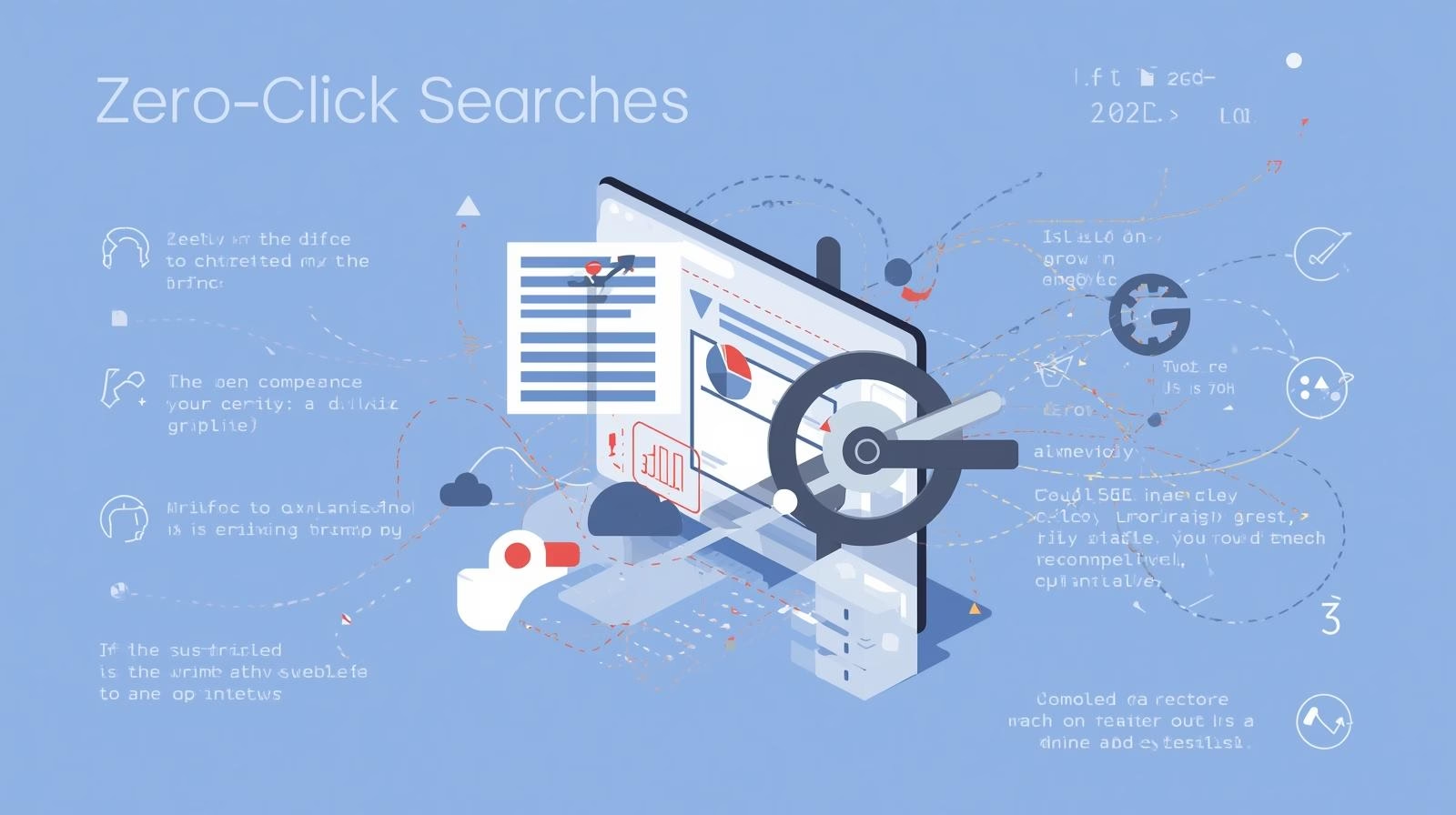
Zero-click searches happen when users get answers directly on the search page without clicking a website. This behavior is growing fast as search engines aim to save time and improve clarity.
When people ask questions, they often see definitions, summaries, or explanations immediately. This shift changes how content performs and how value is measured online.
Zero-click searches AEO focuses on making content clear, structured, and accurate so it appears in these answer spaces. Instead of chasing visits, it supports visibility, trust, and learning. Understanding this concept helps content creators adapt to how people now search and consume information.
Why Traffic Is Declining in the Zero-Click Era
Search engines now work like answer engines. They scan content, extract key facts, and present them directly on results pages. This change reduces the need for users to click through multiple links. As a result, traditional traffic numbers decline, even when content quality stays high.
People want fast answers. They ask simple questions, expect instant clarity, and move on. Featured snippets, knowledge panels, and AI summaries satisfy this need. When users find what they need immediately, clicks naturally drop. This shift reflects efficiency, not failure.
Zero-click searches AEO responds to this reality by focusing on how information appears, not just where it ranks. Content must explain ideas clearly, use direct language, and match search intent closely. Pages that once depended on curiosity clicks now compete with instant answers.
This decline also comes from mobile usage. Smaller screens encourage quick reading and fewer interactions. Voice search adds another layer, delivering spoken answers without visual engagement.
Traffic decline does not mean content loses value. It means value moves earlier in the journey. Visibility, accuracy, and relevance matter more than raw visits. Zero-click searches AEO aligns content with this shift by prioritizing clarity and usefulness at first glance.
Understanding why traffic drops helps creators stop chasing outdated metrics. It encourages a smarter focus on presence, recognition, and educational impact within modern search environments.
Visibility vs Clicks in Zero-Click Search Results
Visibility and clicks no longer mean the same thing. A page can appear prominently, answer a query, and still receive no visit. That does not reduce its influence.
Zero-click searches AEO values exposure over interaction. When a brand or source appears as the answer, users still read it, process it, and remember it. The learning happens without a click, but the connection still forms.
Clicks measure movement. Visibility measures presence. In modern search, presence often comes first. Being seen repeatedly builds familiarity, even if users do not visit the site. This changes how success is evaluated.
Search engines reward content that explains topics clearly and confidently. When answers feel complete, users trust the source. Over time, that trust strengthens recognition and authority.
Zero-click searches AEO supports this balance by shaping content for understanding, not curiosity gaps. It focuses on being helpful where the question is asked. Visibility becomes a quiet but powerful outcome that supports long-term relevance.
Branding Benefits of AEO in Zero-Click Searches
Branding now happens inside search results. Users notice names, phrasing, and tone even without clicking. This exposure shapes perception in subtle ways.
Zero-click searches AEO helps brands appear as educators rather than promoters. When content answers questions clearly, it builds credibility. People associate clarity with expertise. That association lasts beyond the search moment.
Repeated appearances reinforce memory. When users see the same source answering related questions, recognition grows. This creates familiarity without direct engagement. Over time, familiarity supports trust.
AEO-driven content uses simple language and direct explanations. This approach aligns with how people learn online. It removes friction and supports understanding. Branding becomes linked to usefulness rather than persuasion.
Zero-click searches AEO also reduces dependence on aggressive tactics. It allows brands to contribute knowledge consistently. That contribution shapes identity naturally.
In this environment, branding is not loud. It is steady, visible, and helpful. The benefit lies in being remembered as a reliable source when answers matter.
Examples of Winning Zero-Click Content in Practice
Winning zero-click content focuses on explanation, not hooks. Definitions, step-by-step clarity, and concise summaries perform well. They match how search engines extract answers.
Educational content that answers one clear question at a time often appears in featured areas. This includes explanations of terms, processes, or comparisons. The goal is completeness within a small space.
Zero-click searches AEO encourages structuring content so key ideas stand alone. Clear headings, direct sentences, and focused sections help search systems understand relevance.
Content that uses natural language also performs better. It mirrors how people ask questions. This alignment increases the chance of selection as an answer.
Another strong example is contextual explanation. When content explains not just what something is, but why it matters, it adds depth without complexity.
These examples show that success comes from teaching clearly. Zero-click searches AEO supports content that respects the reader’s time and delivers understanding immediately.
Conclusion: The Real Impact of Zero-Click Searches AEO
Zero-click searches reflect how people now seek information. They prefer clarity, speed, and direct answers. This change reshapes how content creates value.
Zero-click searches AEO helps content adapt by prioritizing explanation over attraction. It focuses on being present where learning happens. Visibility becomes a form of influence, even without visits.
Traffic decline can feel challenging, but it also signals progress in search efficiency. Content still matters. Its role simply shifts earlier in the experience.
By understanding this shift, creators can measure success differently. Recognition, trust, and educational impact gain importance.
Zero-click searches AEO supports this mindset. It aligns content with how search works today and how people learn online. In this environment, being useful is the strongest signal of relevance.