What is SEO?
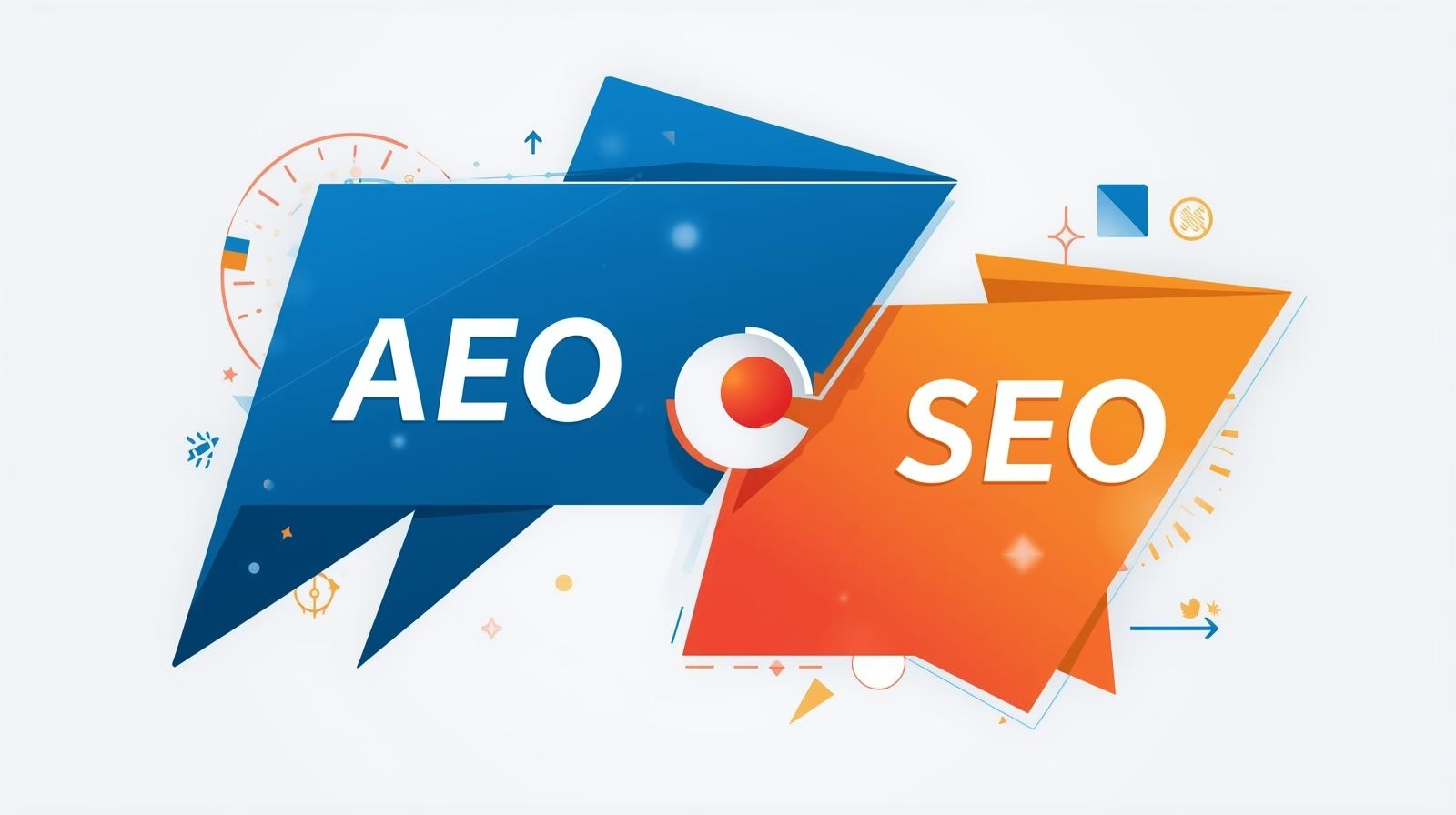
What is SEO often appears simple, yet it shapes how people find information online every day. This topic connects closely with AEO vs SEO because both focus on visibility, trust, and clarity. Search behavior has shifted from browsing links to expecting direct answers. SEO helps pages rank, while answer focused systems help users learn faster.
Understanding this difference matters for writers, marketers, and website owners. AEO vs SEO is not about replacing one method with another. It is about understanding how search engines present information today and how content can meet real user needs clearly and responsibly in modern search.
What is AEO?
AEO stands for Answer Engine Optimization. It focuses on helping systems deliver clear, direct answers to user questions. Instead of ranking pages alone, AEO organizes information so machines can understand intent and meaning.
In AEO vs SEO discussions, AEO centers on structured data, concise explanations, and context. It supports featured snippets, voice assistants, and AI driven summaries. These systems scan content to extract facts, steps, and definitions quickly.
AEO values clarity over length. Writers explain one idea at a time using simple language. Headings, short paragraphs, and precise wording help answer engines identify useful sections. Accuracy matters because answers often appear without a visible page visit.
AEO also depends on understanding questions. Content reflects how people speak and ask for help. Natural phrasing and complete explanations support this process. Instead of persuading users, AEO educates them.
In AEO vs SEO comparisons, AEO does not ignore search engines. It simply adapts to how results display today. Answer boxes, knowledge panels, and voice responses rely on trusted sources. AEO helps content earn that trust.
AEO encourages responsibility. When answers appear instantly, users rely on them. Clear sourcing, updated facts, and neutral tone matter. This approach improves learning and reduces confusion. AEO focuses on usefulness first, ensuring information serves readers accurately and efficiently. By prioritizing clarity and structure, AEO supports modern discovery while maintaining educational integrity across platforms where answers matter more than clicks alone for users seeking quick understanding in diverse search environments that value precision, trust, and contextual relevance daily online.
Key differences between AEO vs SEO
The AEO vs SEO comparison highlights how each method serves users differently. The table below explains core distinctions clearly.
| Aspect | SEO | AEO |
|---|---|---|
| Focus | Ranking web pages | Delivering direct answers |
| Content style | In-depth pages | Clear, concise responses |
| Search intent | Broad exploration | Specific questions |
| Result format | Blue links | Snippets, voice replies |
| User action | Click-through | Immediate understanding |
| Optimization tools | Keywords, links | Structure, schema |
This overview shows that AEO vs SEO differs in presentation, not purpose. SEO builds discoverability across topics. AEO improves comprehension at the moment of search. Both rely on accuracy, relevance, and trust. Understanding these differences helps creators choose the right structure for each piece of content without confusion.
This distinction matters because search interfaces now mix traditional results with instant answers. AEO vs SEO reflects how systems display information, not competition between methods. Pages still matter, but extracted answers guide users faster. Content creators benefit when they design information for reading and answering at the same time, using clear hierarchy and dependable facts throughout across various topics, formats, and educational contexts where clarity improves understanding and trust for modern audiences online today consistently and reliably.
When SEO works best
SEO works best when users want to explore, compare, and research topics deeply. It supports long form guides, category pages, and resources that benefit from visibility over time.
In AEO vs SEO terms, SEO helps content rank for broader queries. Users often scan multiple results before deciding what to read. Well structured pages, internal links, and relevant headings support this behavior.
SEO also suits topics that need context. Historical explanations, detailed tutorials, and opinion based analysis require full pages. These formats allow writers to explain background, examples, and supporting details clearly.
Search engines use SEO signals to understand authority. Consistent publishing, topical relevance, and technical health matter. SEO helps content earn trust gradually rather than instantly.
In the AEO vs SEO discussion, SEO remains essential for discovery. It brings users to websites where they can learn at their own pace. This approach supports education, comparison, and deeper understanding. SEO works best when users want choice, perspective, and complete information presented in a readable structure. This strength ensures sustained visibility across evolving search landscapes while maintaining access to full explanations and source material for careful readers over time who value depth, credibility, and independent evaluation during longer research journeys online today.
When AEO works best
AEO works best when users want quick, accurate answers. It supports direct questions, definitions, and step based explanations that appear instantly in results.
In AEO vs SEO context, AEO fits moments of urgency. Voice searches, mobile queries, and AI summaries rely on clear responses. Users often seek one fact, not an entire page.
AEO also suits learning basics. Simple explanations, how to steps, and factual clarifications benefit from structured formatting. Short paragraphs and clear headings help systems extract meaning.
Trust plays a major role. When answers appear without clicks, accuracy becomes critical. AEO encourages neutral tone, verified facts, and up to date information.
Within the AEO vs SEO framework, AEO improves accessibility. It helps users with limited time or screen space. This approach supports understanding without overwhelming readers. AEO works best when clarity, speed, and precision matter more than depth, offering reliable information exactly when users ask for it. This model aligns with modern interfaces that favor spoken responses and instant comprehension, ensuring users receive dependable guidance efficiently while maintaining consistency across platforms that prioritize answer delivery over navigation for everyday queries, quick checks, and foundational learning moments where speed supports better decision making and informed understanding online today globally.
How to combine SEO + AEO effectively
Combining SEO and AEO creates balanced content that serves discovery and answers together. It starts with understanding user intent at different stages.
In AEO vs SEO strategy, writers build complete pages while structuring key sections for answers. Clear headings, summaries, and definitions help answer engines, while detailed sections support deeper reading.
Content structure matters. Pages should flow logically, with simple explanations first and expanded details later. This approach supports scanning and learning without repetition.
Accuracy remains central. Both methods rely on trustworthy information and clear language. Updating content ensures relevance for search systems and users alike.
Within AEO vs SEO practice, technical structure supports success. Clean markup, readable layouts, and logical hierarchy help systems interpret content correctly.
Combining both methods improves accessibility. Users can choose quick answers or explore further. This integrated approach respects different learning styles. SEO brings users in, while AEO helps them understand faster. Together, they support clarity, education, and reliable information sharing across modern search experiences. This balance ensures content remains useful across evolving interfaces, supporting long term visibility while meeting immediate informational needs with clarity and consistency for readers, learners, and search systems seeking dependable explanations without sacrificing depth, structure, or educational value online today.
Conclusion
AEO vs SEO represents two ways of supporting how people learn through search. SEO helps users discover detailed resources, while AEO helps them receive clear answers quickly.
Understanding both methods improves content quality. Writers can present information responsibly, ensuring accuracy and clarity. This balance supports trust between users and information sources.
AEO vs SEO is not about choosing sides. It reflects how search experiences now combine exploration and instant understanding. Educational content benefits when creators respect both needs.
Clear structure, simple language, and factual accuracy remain essential. These principles support visibility and comprehension together.
By focusing on real user questions and reliable explanations, content becomes more helpful. AEO vs SEO together encourage better learning outcomes. They support informed decisions without confusion. This approach strengthens the role of search as a tool for knowledge, understanding, and responsible information sharing in everyday life across digital environments where clarity guides learning daily online.